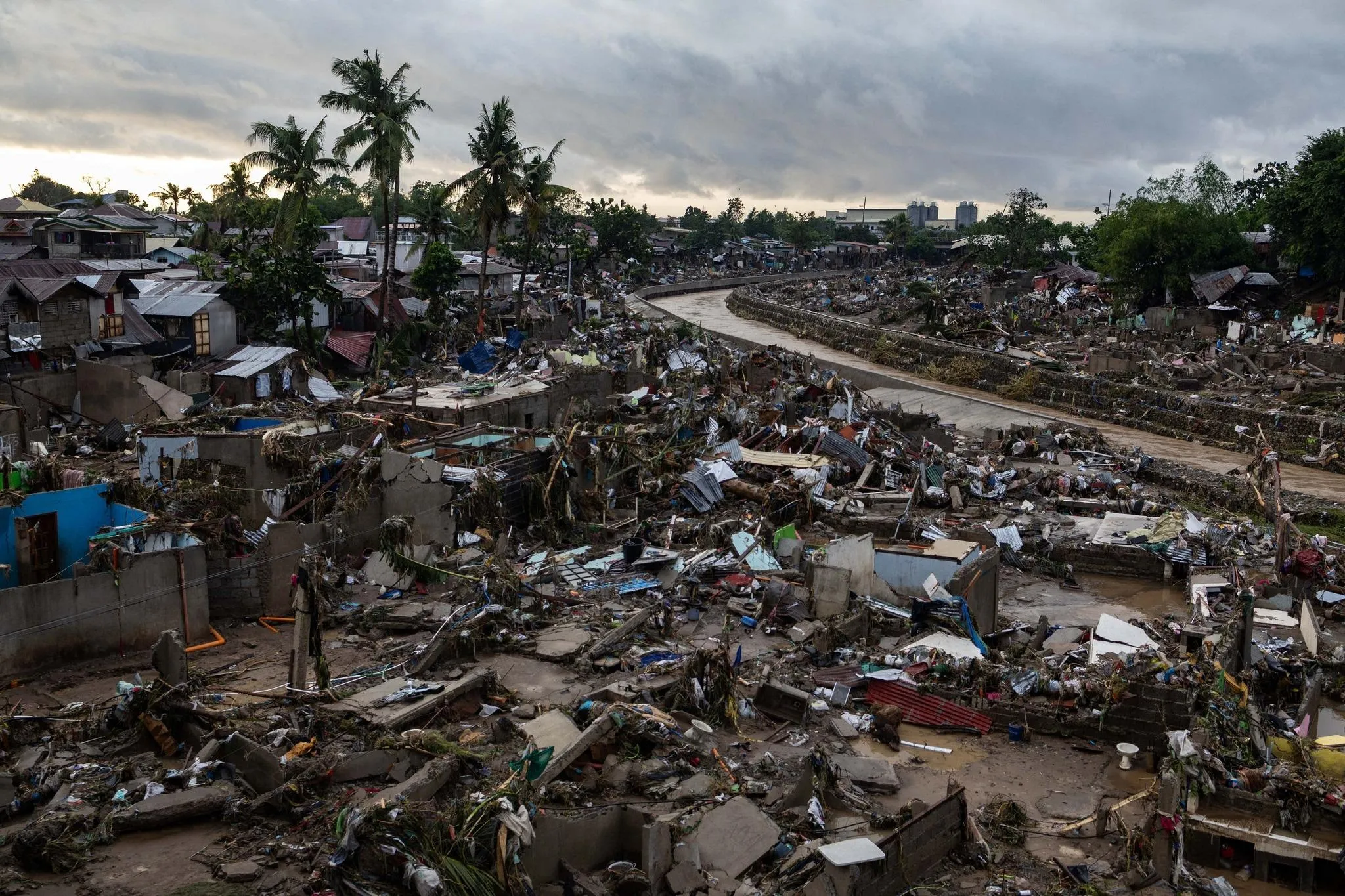
It’s a painful experience when your home gets flooded or damaged during a calamity. But one important question homeowners often ask is:
“What happens to my housing loan or mortgage if my house is destroyed?”
Your Housing Loan Does Not Get Cancelled
Even if your property is heavily damaged or completely destroyed, your housing loan — whether with Pag-IBIG Fund or a bank — does not get automatically cancelled.
That’s because a loan is a financial obligation. You borrowed money, and the lender expects repayment regardless of what happens to the property used as collateral.
Even if the house is gone, the land still exists — and that remains your loan’s collateral.
Unless insurance covers the loss, you’ll still be required to pay your monthly amortization.
Property Insurance: Your First Line of Defense
Here’s the good news:
Most housing loans already come with property insurance that can help you recover.
There are two key types:
- Fire Insurance – covers damage caused by fire or lightning only.
- Acts of Nature / Acts of God Add-on – covers natural disasters such as typhoon, flood, earthquake, landslide, or volcanic eruption.
Tip: Check your loan documents or policy.
Pag-IBIG and banks usually include property insurance. However, note that Pag-IBIG’s Mortgage Redemption Insurance (MRI) only covers death or total disability — not property damage. So make sure you also have Fire + Acts of Nature coverage.
If You’re Covered by Insurance
Here’s what typically happens when your insured house is damaged:
- File an insurance claim for the flood or calamity damage.
- Submit photos and a damage report to your insurer.
- The insurance company will assess and pay for repairs or reconstruction costs.
- Since your property is mortgaged, the bank or Pag-IBIG (as the mortgagee) receives the proceeds first.
- The lender then releases the funds to you or to an accredited contractor for rebuilding.
If the house can no longer be restored, the insurance proceeds may be applied to pay off part of your housing loan.
If There’s No Insurance Coverage
If your loan doesn’t include “Acts of Nature” protection, you’ll need to continue paying the loan yourself.
However, during major disasters, Pag-IBIG and banks may provide temporary relief:
- Pag-IBIG Calamity Loan: borrow up to 80% of your total savings/contributions.
- Payment Moratorium: 3–6 months grace period on housing loan payments.
These don’t erase your debt, but they can help you recover financially before regular payments resume.
What You Should Do Now
Here’s a checklist of steps to take immediately after a disaster:
Keep paying if you can – it shows good faith and helps maintain your good credit standing.
Check your loan documents – confirm if your property insurance includes “Acts of Nature.”
Contact your insurer – file a damage report and insurance claim.
Notify your bank or Pag-IBIG branch – submit photos and explain the situation.
Ask about moratorium or calamity assistance programs.
Key Takeaway
Floods and natural disasters can destroy houses — but they don’t erase housing loans.
Having the right insurance coverage is crucial, especially for “Acts of Nature.”
So review your loan documents today and make sure you’re protected.
If you were affected by a calamity, don’t hesitate to contact your Pag-IBIG branch or bank to explore available assistance programs.